 Creative Spaces Network
Artsenta is marking its 40th anniversary in Dunedin with a major retrospective exhibition celebrating four decades of creativity, wellbeing and community, while looking ahead to the future of creative spaces in Aotearoa New Zealand.
Opening at Tūhura Otago Museum on 16 September, A River of Creativity – 40 Years of Artsenta will tell the story of the country’s second-oldest creative space. Vincents Art Workshop in Wellington was established one year earlier in 1985.
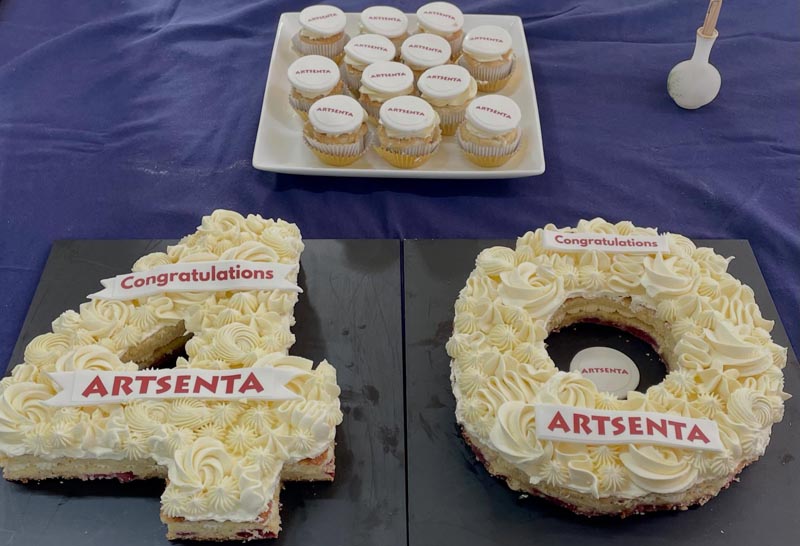 Running until 29 November, the exhibition will feature artwork, poetry, music, film and the voices of its artists. Alongside the exhibition, Artsenta is organising a national symposium exploring the role of creativity in enhancing our wellbeing, to be held on 14 October.
For Artsenta Director Paul McLellan-Smith, the exhibition is much more than a celebration of the organisation's history.
"We're putting an enormous amount of work into the project because we want people to leave with a much deeper understanding of what creative spaces do and why they matter," he says. "It's an exciting opportunity for everyone involved."
The exhibition will also place Artsenta within the wider creative spaces movement.
"Many people still don't realise there is a creative spaces sector or understand the important role it plays," he says. "The exhibition and symposium highlight that this is a growing movement with a significant contribution to make to community wellbeing."
A huge contribution to the creative spaces sector
Fiona Sharp, Creative Spaces Network Development Advisor at Arts Access Aotearoa, says Artsenta has made a huge contribution to the creative spaces sector over four decades.
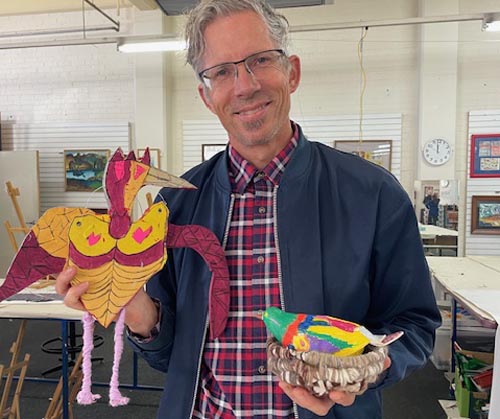 "Artsenta is a leader in our Creative Spaces Network,” she says. “They do amazing collaborative work with other spaces and like-minded organisations as they continue to increase their reach and impact across the region.
“Under Paul’s guidance, Artsenta is thriving – always exploring ways to strengthen relationships with mana whenua and connect with others to enhance the mental health and wellbeing of the Otago community."
The exhibition combines historical photographs with contemporary artworks, artist interviews and immersive experiences. These include a projected river of creativity, music and poetry listening stations, and a participatory sculpture inspired by a korowai.
At its heart are the stories of Artsenta's artists. "We've interviewed a dozen artists whose experiences reflect the impact creativity has had on their lives," Paul says. "Their voices are woven throughout the exhibition."
The anniversary celebrations continue on 14 October with a national symposium at Tūhura Otago Museum. It will bring together creative spaces, researchers, artists, educators, community organisations and the health sector to explore how creativity supports individual and collective wellbeing while encouraging discussion about the future of creative wellbeing in New Zealand.
“I hope people leave feeling inspired by what's already happening and excited about the possibilities that lie ahead,” Paul says.
Creative Expression Unit founded in 1986
Artsenta's story began in 1986 as the Creative Expression Unit at Cherry Farm Mental Hospital, thanks to the vision of then superintendent Julia Aranui-Faed.
Established as an independent organisation within the hospital, the Creative Expression Unit was governed by the Creative Arts Trust, a charitable trust incorporated on 17 June 1986. In 1991, the Creative Expression Unit was renamed Artsenta when it moved from the hospital into the city. The hospital closed in 1992.
Paul believes Artsenta's longevity reflects the commitment of generations of artists, staff, trustees and supporters, alongside longstanding relationships with its funders Health New Zealand Te Whatu Ora and the Ministry of Social Development.
Making a difference in people's lives
After more than a decade as Director of Artsenta, Paul's enthusiasm for the organisation remains undiminished. "What continues to motivate me is the knowledge that we're making a genuine difference in people's lives.
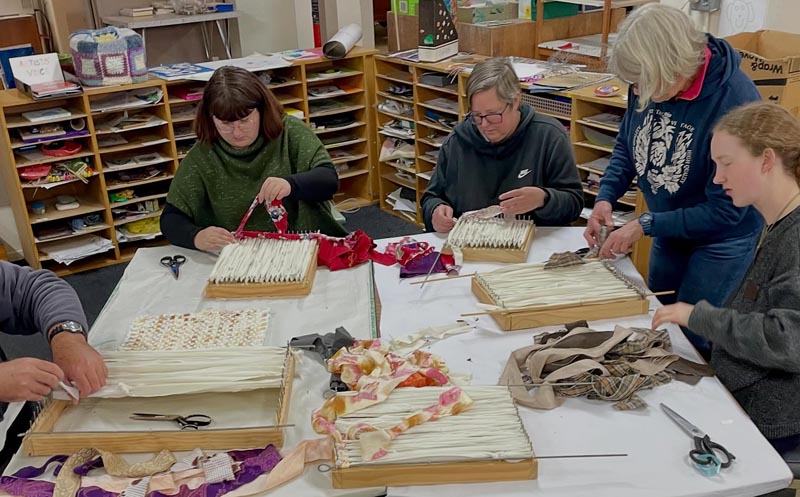 “I enjoy developing new initiatives and finding better ways of working. I'm also excited by the opportunities that still lie ahead.
“We have an outstanding team that works incredibly well together, and the feedback we receive from artists and participants continually reminds us why this work matters. Knowing that people feel welcomed, supported and inspired makes the work deeply rewarding.”
Artsenta's impact extends beyond its Dunedin studio. Its regional programme now supports communities across Central, North and South Otago where local teams build long-term relationships within their communities.
Rather than simply delivering creative activities, the programme encourages people to engage more widely with galleries, museums, libraries, artists' studios and the wider cultural life of their communities.
Paul believes the regional programme is one of Artsenta's greatest opportunities for future growth. "Listening to our regional teams describe the impact they have on people's lives is incredibly inspiring."
Artsenta's commitment to Te Tiriti o Waitangi
Relationships also sit at the heart of Artsenta's commitment to Te Tiriti o Waitangi. As a non-Māori organisation, Paul says building genuine partnerships with mana whenua and kaupapa Māori organisations takes time, trust and mutual learning.
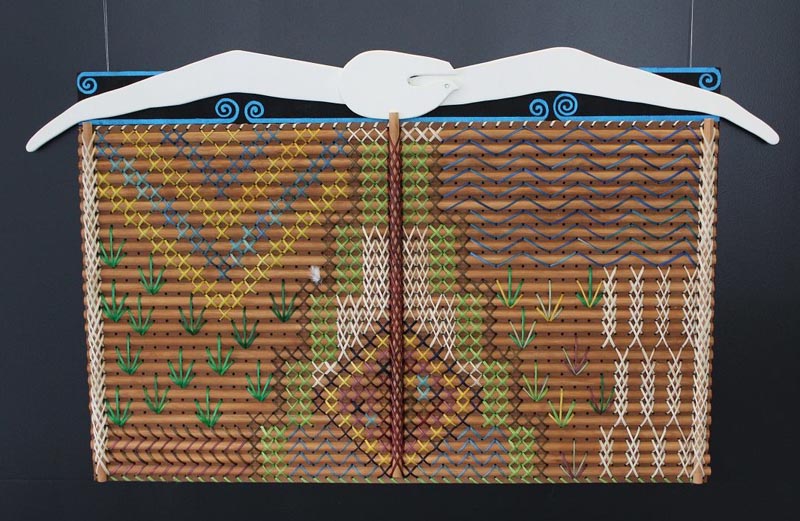 That same emphasis on relationships underpins Artsenta's partnerships across the community and with other creative spaces. "We are much stronger when we work together than when we work in isolation."
He says that working collaboratively, creative spaces can share knowledge, strengthen practice and better demonstrate the contribution they make to community wellbeing.
Looking ahead, Paul hopes Artsenta will continue growing while staying true to the values that have guided it for four decades. His aspirations include expanding regional programmes across Otago, strengthening the organisation's use of te reo Māori and tikanga Māori, and continuing to build strong community partnerships.
"Creativity has an extraordinary ability to connect people, improve wellbeing and strengthen communities," Paul says. "There’s enormous potential for creative spaces to make an even greater contribution across New Zealand."